

Aamro Polishers Bring Shine to Die-Castings
When it comes to polishing, sometimes less is more.
When it comes to polishing, sometimes less is more.
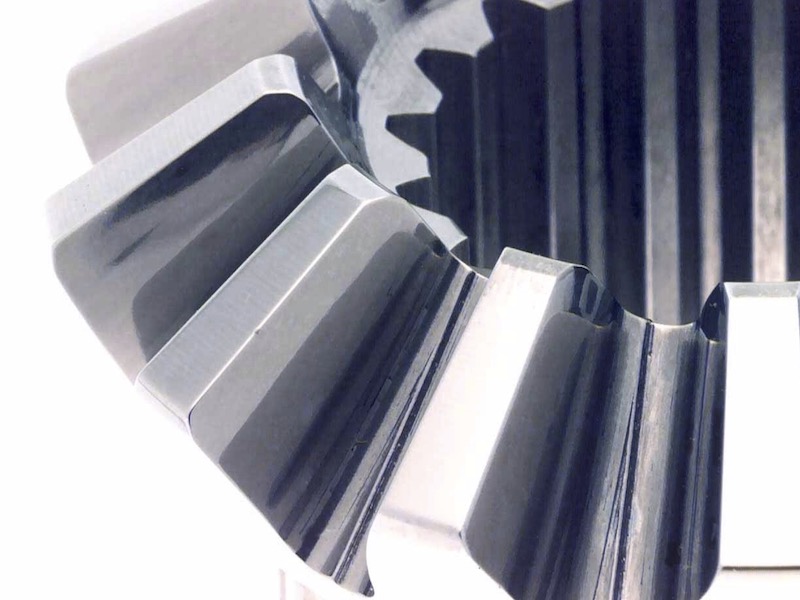
Certain machined, engineered components are functionally operative because they interact with their complementary partners to transmit energy/motion.
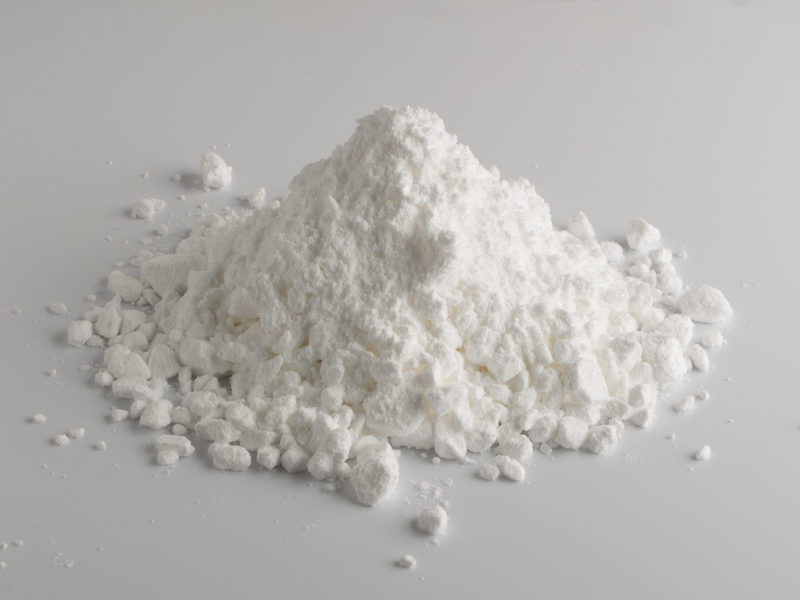
Media content is based on the gear finish desired. High abrasive/low ceramic media leads to higher attrition rate; low abrasive/more ceramic causes less attrition, higher quality ra surface value.
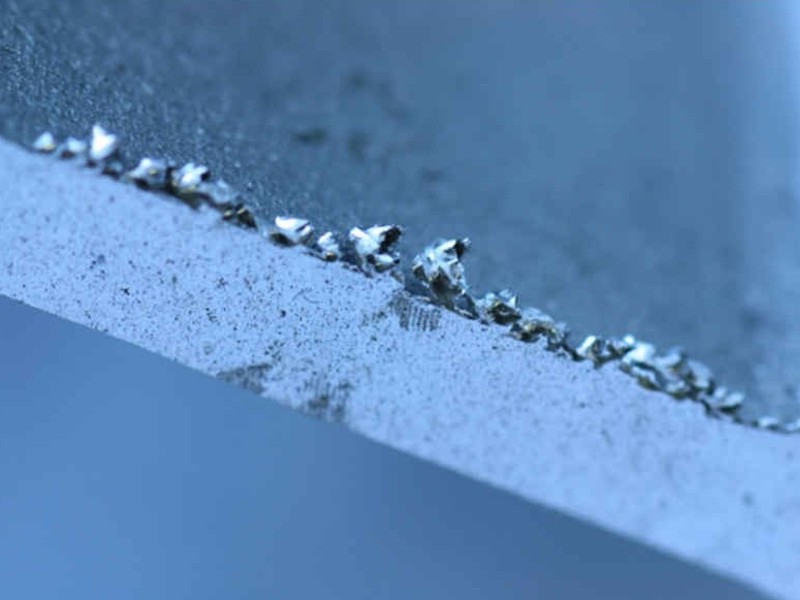
There are multiple methods that can be employed to remove the burrs from a metal part that has undergone the laser cutting process.

The wind turbine, aerospace, and helicopter gear industries recognize the importance of surface finish and surface texture for maximizing component and system performance.

As everyone is well aware, the prices for various metals integral to plating have been unstable: at times rising, then again lowering in price.
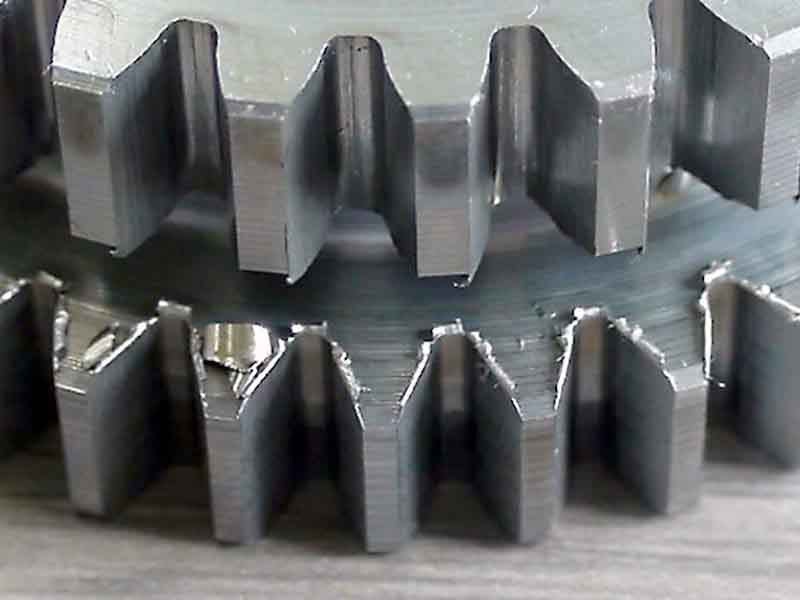
Relative to gear hobbing, shaving, and/or post heat-treat grinding to generate accurate tooth morphology, there may come a time wherein vibratory deburring is a requirement to remove adherent burrs.

Sky Island Capital, a Dallas‐based lower middle market private equity firm with a portfolio company, Polished Metals Limited, has acquired Pride Metal Polishing, a Los Angeles-based metal polisher.
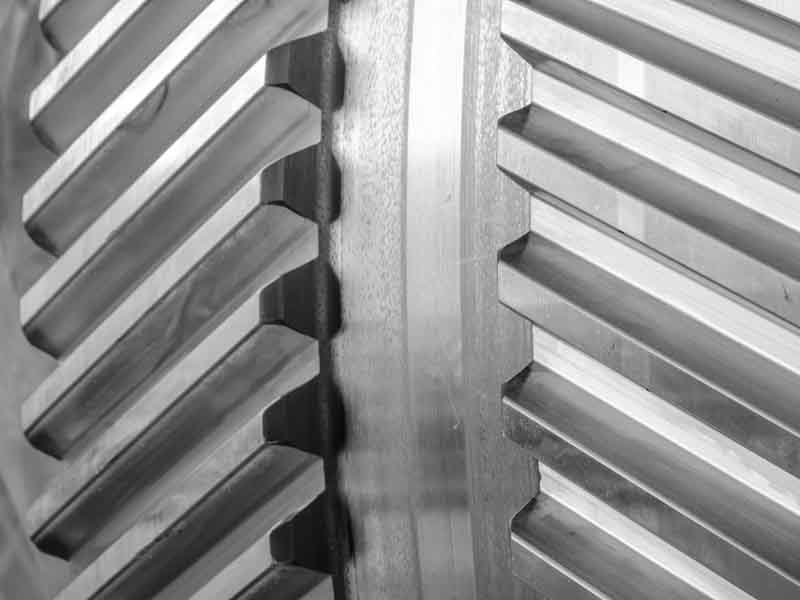
I have written numerous articles on tooth flank surface roughness measurement. This is such a page-turner of a subject! Actually, I was thinking I was done with this topic.
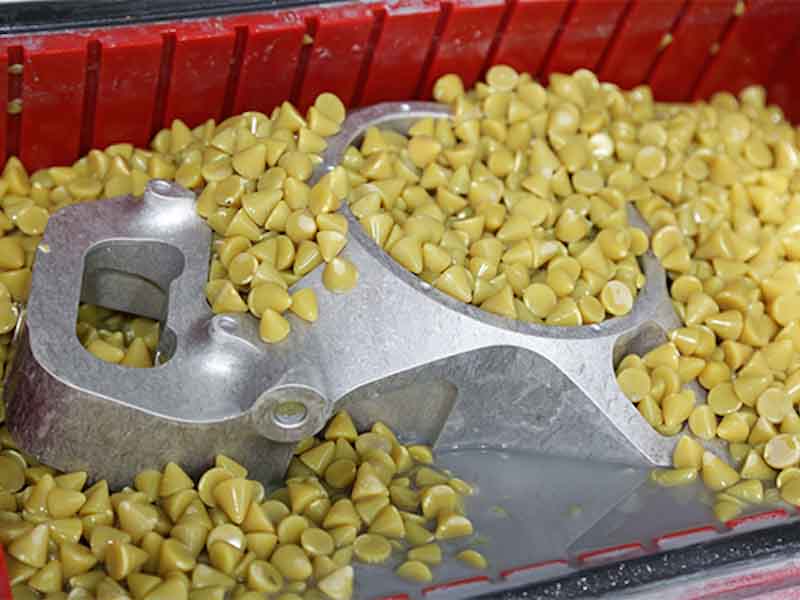
Roush Yates Engines announced it has reached a multi-year partnership agreement with Mass Finishing Inc. to provide polishing and deburring equipment.

A recent Materials Matter article compared generic deburring versus chemically accelerated vibratory finishing (CAVF). Both techniques are conducted in a vibratory unit. The main advantage of CAVF processing is its ability to use HDNA, high-density non-abrasive media, to generate an isotropic superfinish, a surface with a non-directional texture and roughness values of ≤ 4 µin (0.1µm).