

Why Cleaning Equipment is the Hidden Key to Finishing Success
When Mike Valenti walks into a finishing facility, he usually knows within a few minutes whether the plant has a cleaning problem—or an equipment problem.


When Mike Valenti walks into a finishing facility, he usually knows within a few minutes whether the plant has a cleaning problem—or an equipment problem.
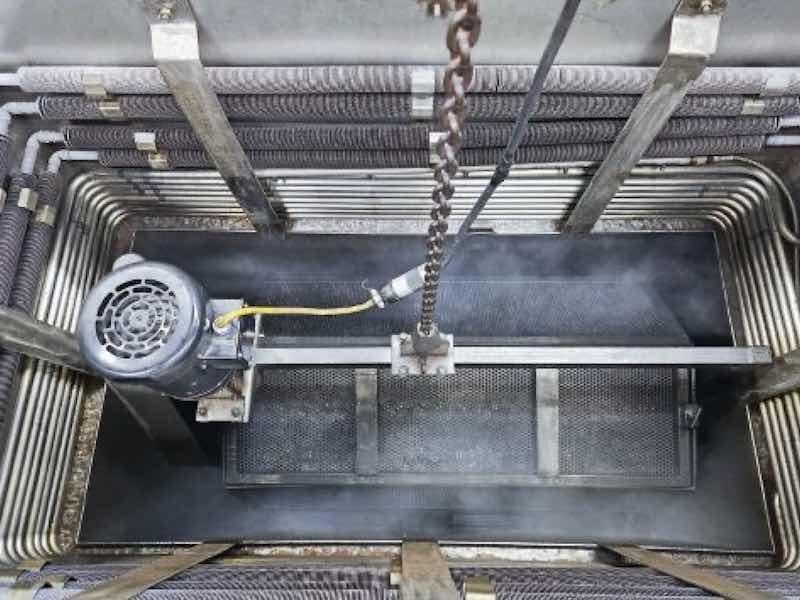
Observe, evaluate, and look at the cleaning machine.
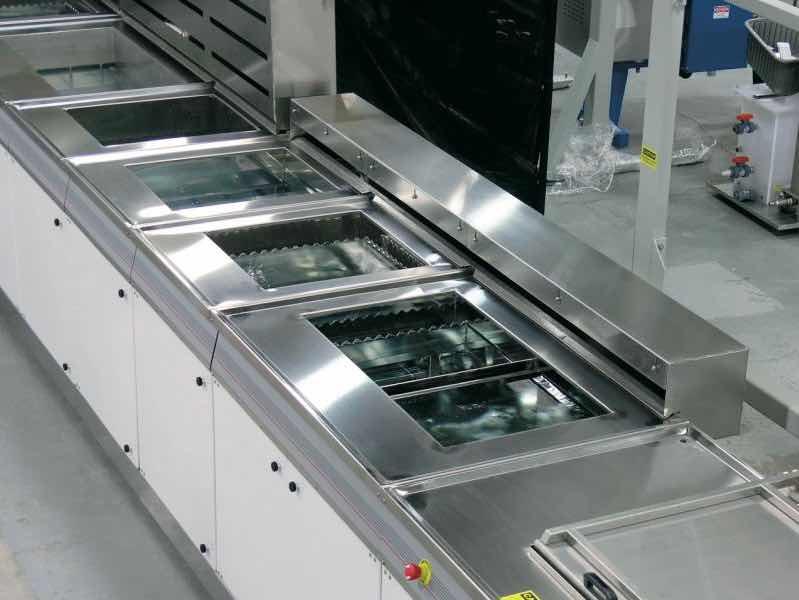
Call it parts cleaning, surface prep, precision cleaning, residue removal, or critical product cleaning—manufacturers think about three steps for most cleaning processes: wash, rinse, and dry.
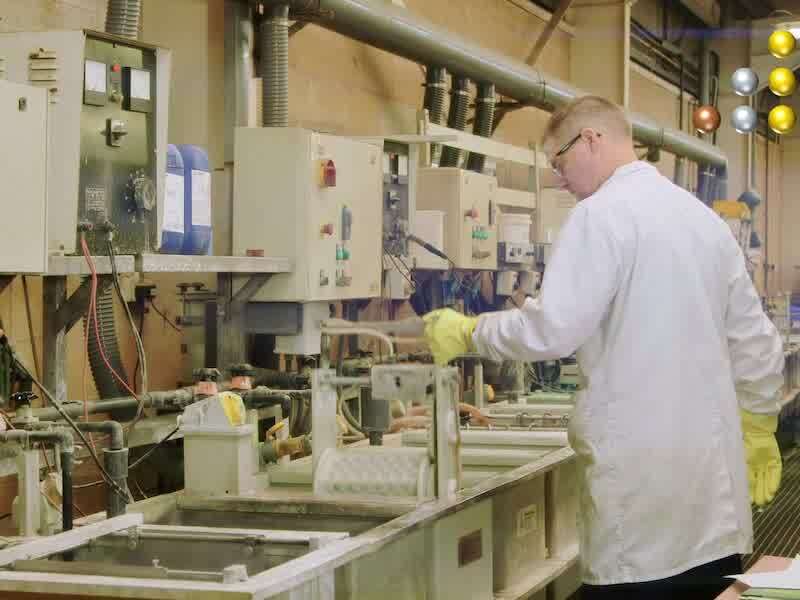
Parts cleaning can be one of the most critical stages in the finishing process.

In critical product cleaning, achieving throughput means ensuring that residue is removed from parts in a short enough time and that the parts are sufficiently clean.
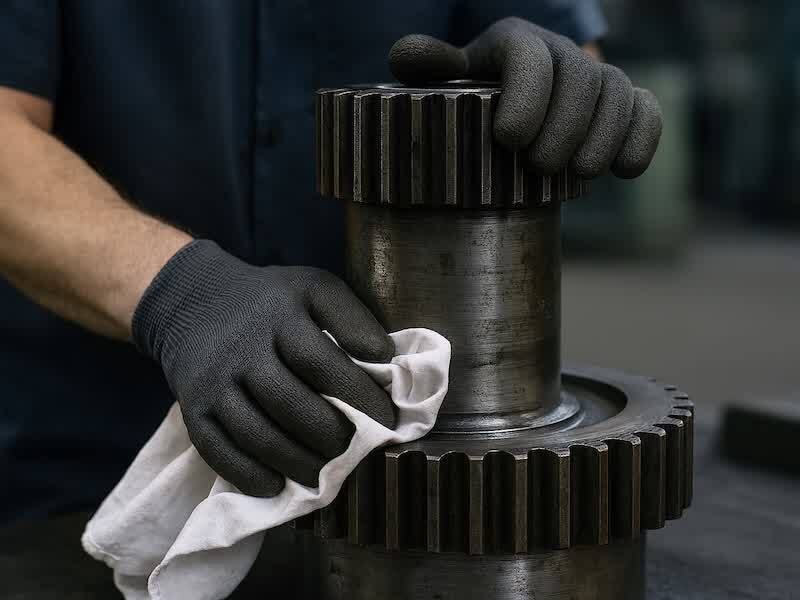
Contamination on parts is expected in the finishing industry, but occasionally it becomes disruptive enough to ripple through every part of an operation.
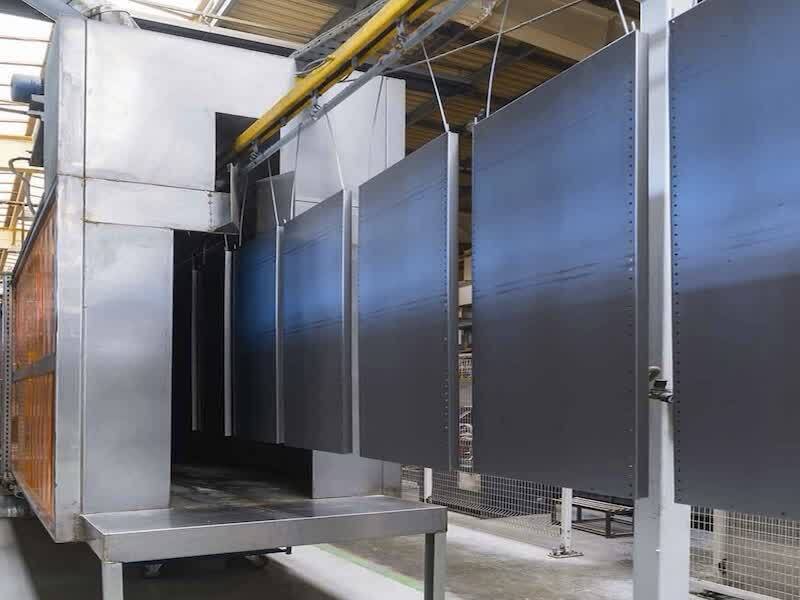
For decades, we have experienced the advent of more organic finishes replacing plated ones.
What can go wrong when you buy new cleaning equipment? What can go wrong when you change the cleaning process? Lots.

Pretreatment determines whether a coating will thrive for years or fail prematurely, a reality that Gary Raihl has spent decades reinforcing.
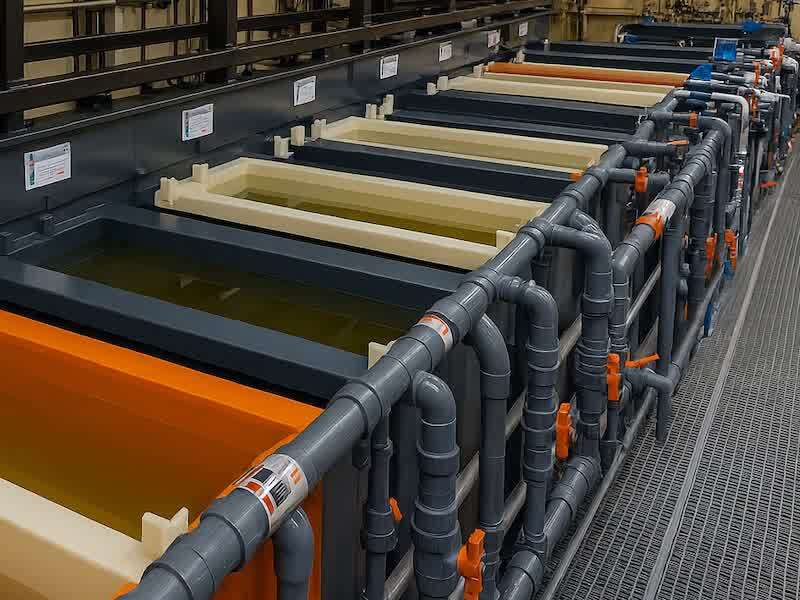
Pretreatment is a foundational component of metal finishing operations, yet it is often narrowly interpreted as a single step in surface preparation.
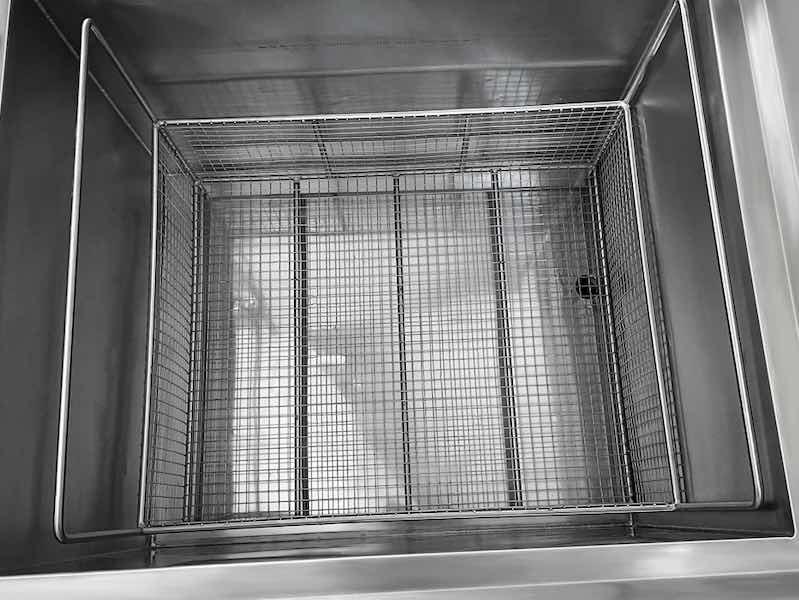
Writing an enormous check for cleaning equipment can be scary.

In electroplating, it’s often the chemistry in the plating bath that gets the attention—the shine of nickel, the leveling of copper, or the performance of trivalent chrome.
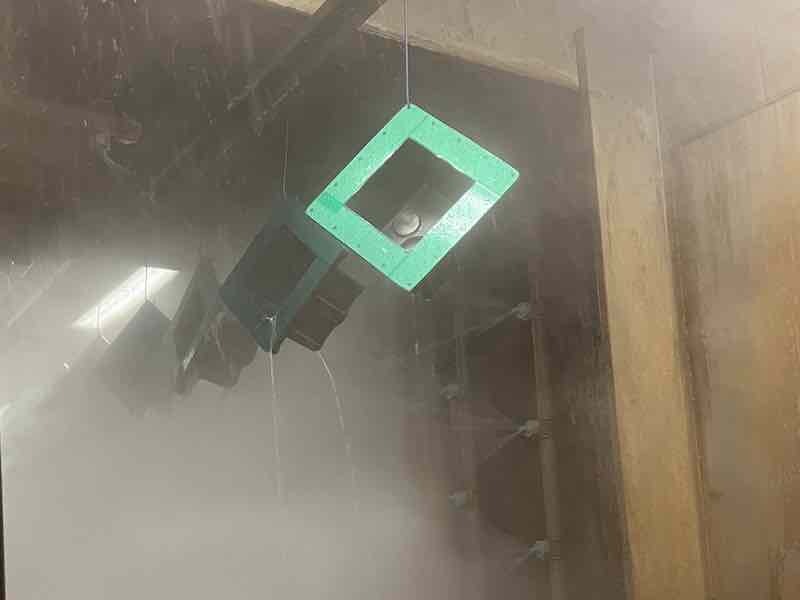
Pretreatment for powder and liquid coating is often described as a consecutive series of stainless-steel tanks, spray stages, and chemical process stations.

New Method Plating, a family-owned business operating for three generations in Worcester, Massachusetts, has successfully eliminated the use of trichloroethylene (TCE) in its vapor degreasing operations.

When it comes to introducing new technology into the world of parts cleaning and finishing, Jason Marshall says he hears the same message from end users.
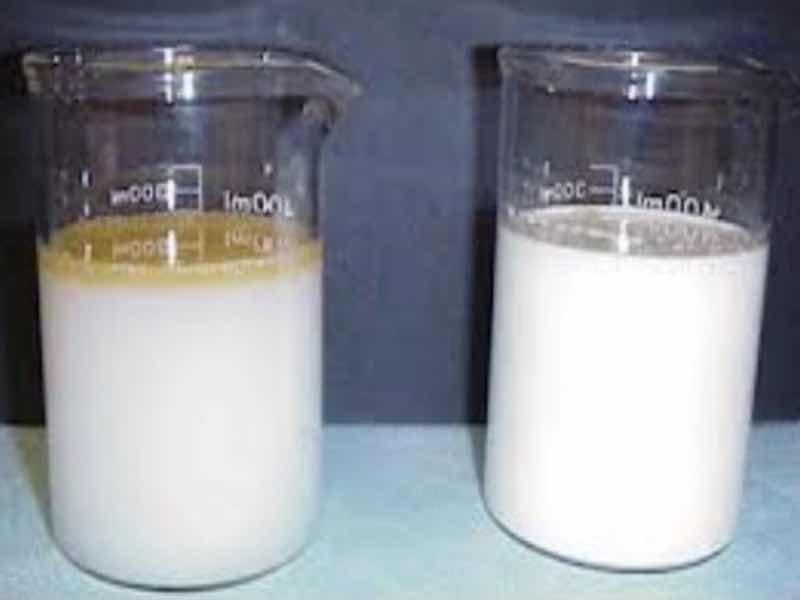
Parts that are manufactured using lubricants or machine coolants in the processes are generally cleaned later with an aqueous chemical agent to remove these contaminants from the parts prior to the next process.
You cannot clean unless you can get the soil to mix into the cleaning solution.

It’s time to purchase new cleaning equipment, and (lucky you), you are in charge.

In his book “The Seven Habits of Highly Effective People,” Stephen R. Covey writes: “Begin with the end in mind.”

The U.S. Environmental Protection Agency awarded nearly $350,000 to the Toxics Use Reduction Institute at UMass Lowell to implement new technology and industry-based outreach by advancing a key initiative to reduce the use of the industrial solvent trichloroethylene (TCE).
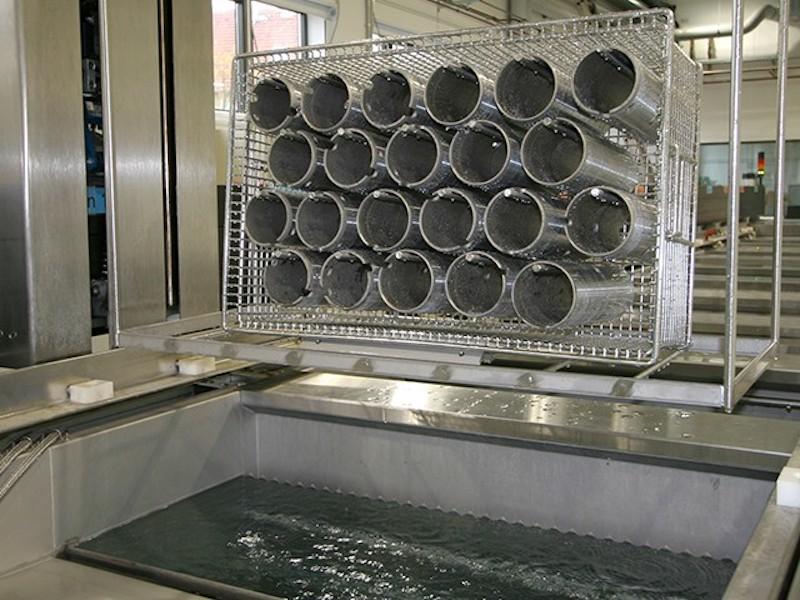
The glistening stainless steel. The sleek control panel. The surge of power when you press the START button. That fresh, new process bath smell.
The U.S. Environmental Protection Agency (EPA) is amending the prohibition compliance date for the use of TCE to 2028 instead of September 2025.
In our daily lives, we undoubtedly follow up on various activities and projects, determining if there is an advantage or disadvantage.