

Aerospace Requirements for Aluminum Finishing
Aluminum is a widely used metal found in products worldwide.


Aluminum is a widely used metal found in products worldwide.

The cross-sectional microstructure, local chemical composition, and mechanical behavior of anodic oxide layers produced by oxalic acid anodizing of cast A356 aluminum alloy were investigated using digital optical microscopy, scanning electron microscopy (SEM), energy-dispersive X-ray spectroscopy (EDS), and in situ nanoindentation inside the SEM chamber.
For decades, manufacturers across North America have known the company in Blaine, Minnesota, as Arrow Cryogenics, which reflected the specialized process that helped launch the business in 1983 and establish its reputation in the medical manufacturing sector.

Elite Metal Finishing, a provider of aerospace and defense finishing services with locations in California and Florida, is planning a major expansion into Central Texas with a new manufacturing facility in Cedar Park, bringing significant new anodizing, plating, coating, and testing capacity to the region.
When the Aluminum Anodizers Council (AAC) gathers in Cincinnati, Ohio, October 6-8 for its 35th Annual Anodizing Conference and Exposition, attendees will not only be participating in one of the industry's premier educational and networking events.

Talica has acquired Hard Anodize, Inc., a Minneapolis-area provider of precision aluminum anodizing and specialized surface treatment services supporting the aerospace, defense, medical device, and other high-performance industrial markets.
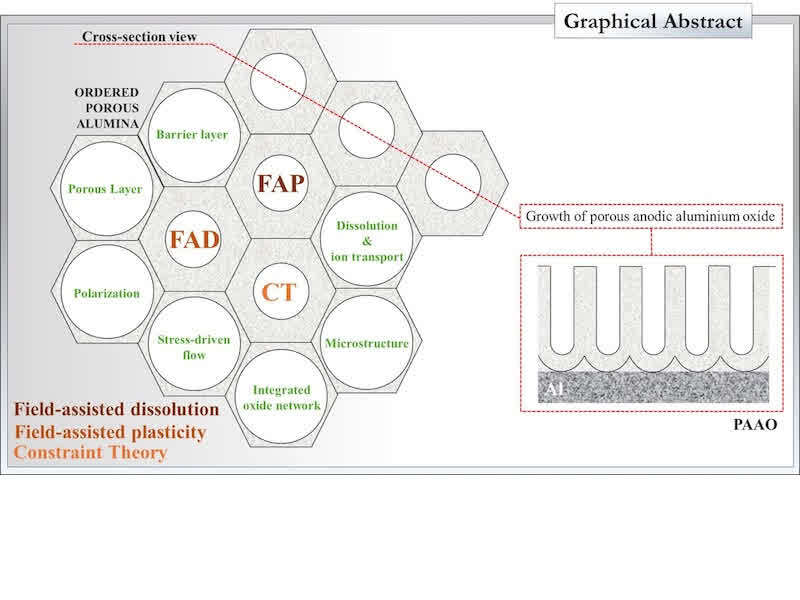
The growth of porous anodic aluminium oxide (PAAO) films during aluminium anodizing has been extensively investigated, leading to the proposal of several theoretical approaches.
The Aluminum Anodizers Council (AAC) is celebrating a milestone in October as it hosts its 35th conference and exposition with a renewed focus on business growth, workforce development and technical excellence.

Registration is now open for the Aluminum Anodizers Council’s 35th Annual Anodizing Conference and Exposition that will take place on October 6-8 at the Hyatt Regency Cincinnati in Cincinnati, Ohio.
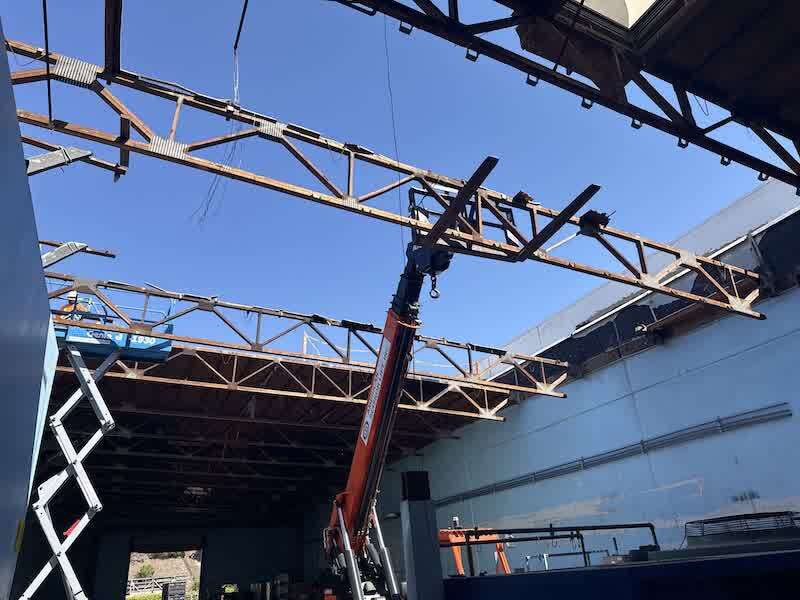
In the earlier stages of the recovery effort, much of the focus centered around emergency response, demolition, insurance coordination, and stabilizing operations after the fire.
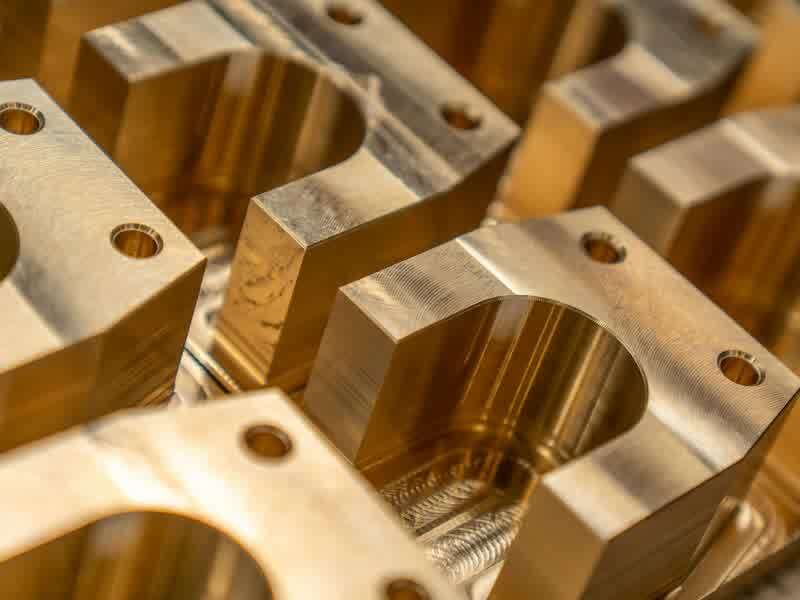
As anodized aluminum components are increasingly deployed in high-power optical and precision industrial systems operating in non-vacuum environments, their outgassing behavior has emerged as a critical material reliability concern.
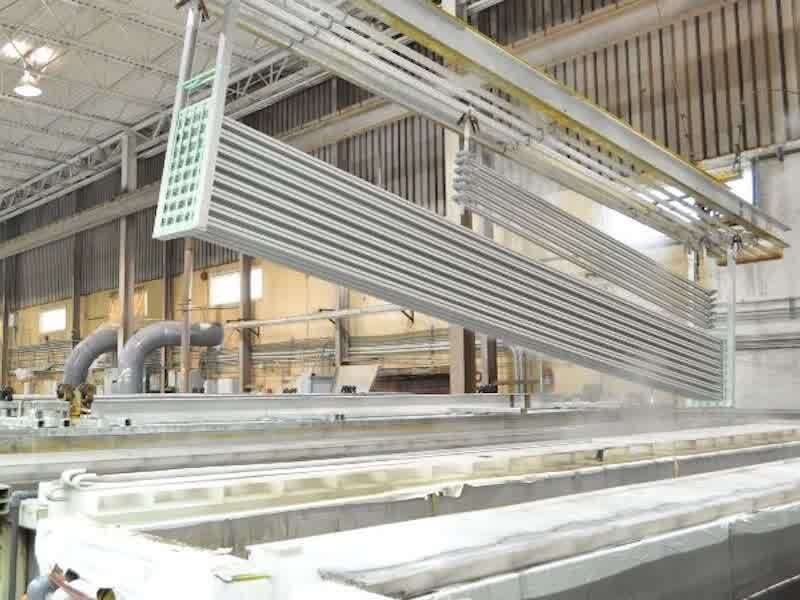
The Aluminum Anodizers Council is bringing its regional education model to the Mountain West this summer with the AAC Regional Forum in Layton, Utah.
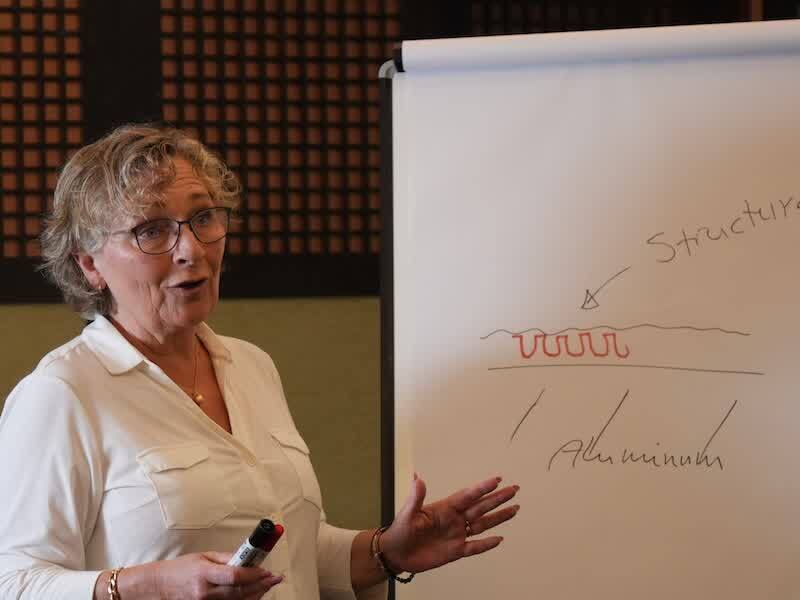
Anodizing professionals seeking deeper process understanding and improved operational consistency will have the opportunity to participate in a focused, in-person technical workshop when AluConsult hosts its Anodizing Masterclass – On-Site in Southern California in May.
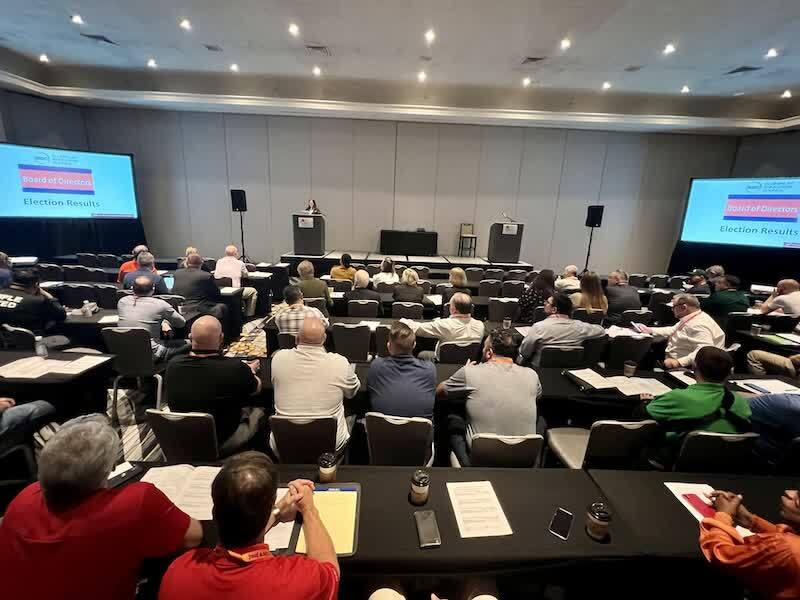
The Aluminum Anodizers Council says the 35th Annual Anodizing Conference & Exposition will take place on October 6 - 8 at the Hyatt Regency Cincinnati in Cincinnati, Ohio.

A metal finishing shop owner we worked with had been getting several emails a week from people interested in acquiring their business.

Colorado environmental officials are about to adopt one of the most comprehensive state-level regulatory frameworks in the U.S. for chromium electroplating and anodizing operations.

Ti and Ti alloys are employed in demanding industries such as aerospace, automotive, biomedical, aeronautic, structural, naval, and chemical, thanks to their resistance to corrosion due to the formation of the TiO2 film on the surface.