

A new name has arrived in the industrial finishing industry, but its operations are anything but new.
 JQ SalasUltiCoat brings together Scott’s Industrial Coatings in Green Bay, Wisconsin, with the former Perfection Industrial Finishing operations in Phoenix and Tucson, Arizona, creating a three-facility finishing organization with capabilities ranging from high-volume powder coating and liquid paint to anodizing and chemical conversion coatings.
Madison Lake Capital introduced the UltiCoat brand in September, combining the businesses into a platform serving aerospace, defense, and industrial manufacturers across the Midwest and Southwest. Together, the three facilities span about 111,000 square feet, including 64,000 square feet in Green Bay, 32,000 in Phoenix, and 15,000 in Tucson.
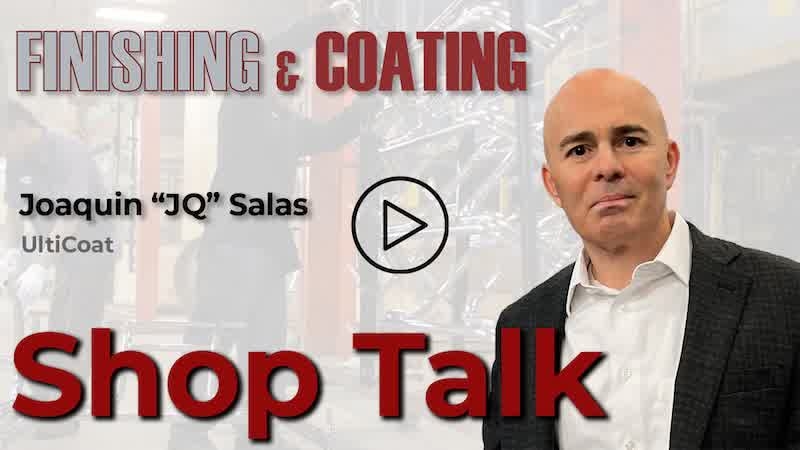
Leading that organization is Joaquin “JQ” Salas, whose background offers an interesting perspective on the industrial finishing business.
Salas is relatively new to coatings, something he readily acknowledges. But he is far from new to manufacturing. He has spent much of his career in large manufacturing organizations, particularly in defense and industries including powersports, off-road vehicles, mining, and agricultural equipment.
“It was a very successful company when it was acquired,” he says of Scott's. “A very good customer base in the geographic area here, and a very well-established reputation.”
Now Salas is approaching the finishing business from the perspective of someone who spent years on the other side of the supplier relationship.
“Suppliers face very high demands, whether it’s the commercial or defense space,” Salas says. “Coming from that and walking downhill on the ladder into the supply chain and out of the OEM, there is a very special appreciation for some of those challenges.”
That experience could become a key part of UltiCoat’s strategy as the company looks to transform two established finishing businesses into a broader platform that can support manufacturers across multiple regions.
Two Established Finishers, One Brand
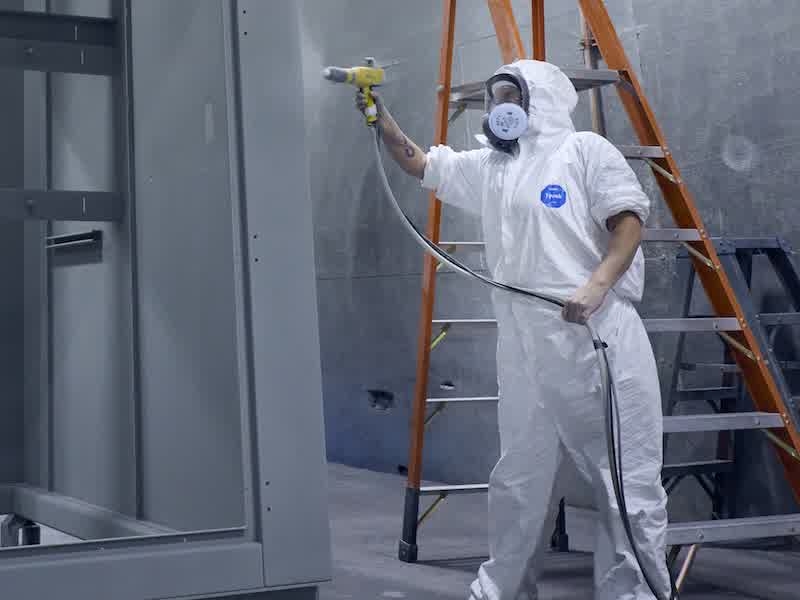 The three facilities span about 111,000 square feet, including 64,000 square feet in Green Bay, 32,000 in Phoenix, and 15,000 in Tucson.The UltiCoat combination brings together operations serving distinctly different portions of the finishing market.
Scott’s Industrial Coatings was founded in 2000 and grew from a single pole shed into a 64,000-square-foot Green Bay operation. Perfection Industrial Finishing traces its history to a Tucson garage paint shop founded in 1991, which grew into an established supplier to manufacturers in Southern Arizona.
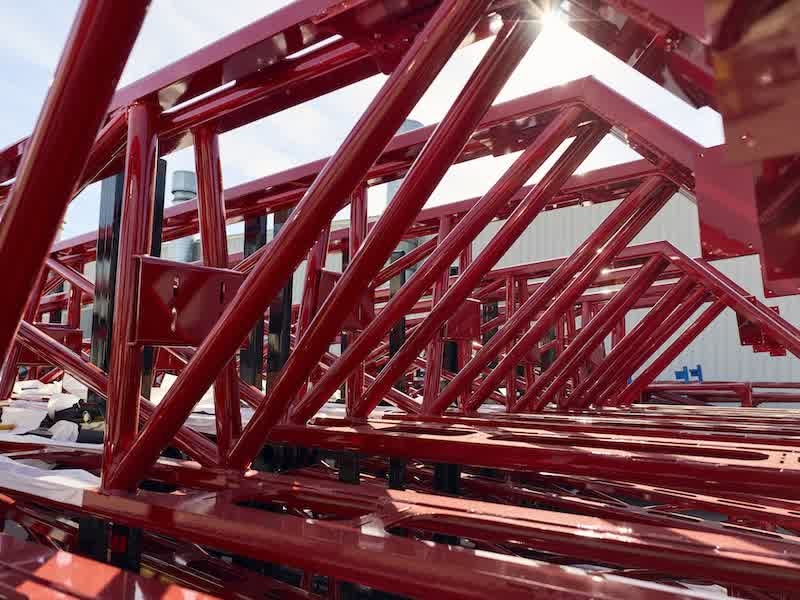
In Green Bay, UltiCoat can handle large steel fabrications and high-volume industrial work using liquid and powder coating. Salas says the facility has one of Wisconsin’s largest ovens.
For UltiCoat, the operation provided an attractive foundation.
“Obviously, that’s where we can manage some of those larger steel fabrications,” Salas says. “Whether it’s paint or powder coat, we’ve got one of the largest ovens in the state of Wisconsin.”
Salas says Scott’s was already successful, with an established customer base and reputation in its geographic market.
“It was a very successful company when it was acquired,” he says. “A very good customer base in the geographic area here, and a very well-established reputation.”
The culture and customer base made the business what Salas calls a “cornerstone” from which the organization could begin building a larger finishing platform.
“The Nadcap and the AS9100 really allow us to work with those aerospace customers, to satisfy their needs in the coating space,” he says.
The Arizona operations add another dimension. Perfection built its reputation around high-quality industrial finishing and developed particularly strong connections to aerospace and defense manufacturing. The Arizona facilities bring capabilities and qualifications critical to working in those sectors.
Under UltiCoat, the combined capabilities include powder coating, liquid paint and protective coatings, anodizing and conversion coatings, media blasting and surface preparation, and Cerakote applications. Site- and process-specific credentials include AS9100D and ISO 9001:2015 certification, Nadcap accreditation and ITAR registration.
The company says its customer markets include defense, aerospace, marine, transportation, energy, fire and rescue, construction and industrial fabrication.
That combination gives UltiCoat an unusually broad range of work, from large steel fabrications down to small, precise aerospace components.
Aerospace Expertise Adds Another Dimension
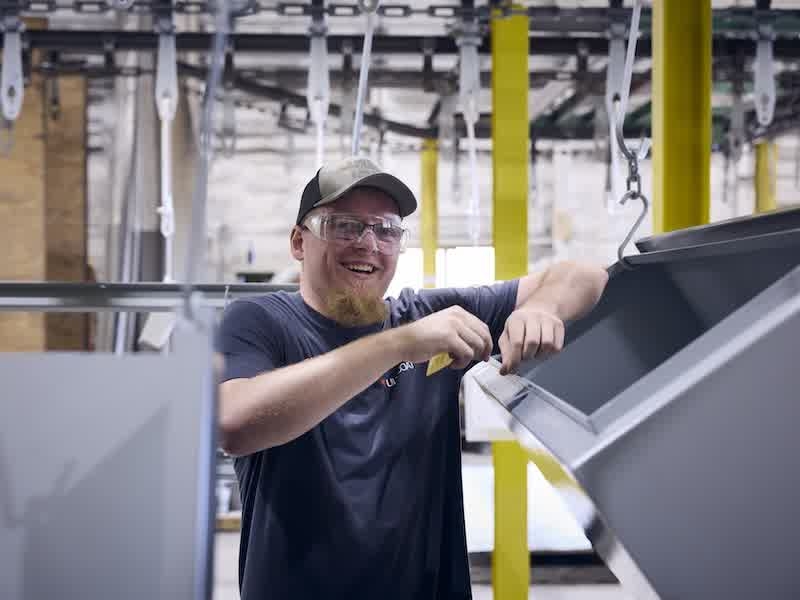 Salas says recruiting, training, employee benefits, and retention remain significant manufacturing challenges regardless of geography.Salas says Perfection’s position in the Arizona aerospace supply chain was an important attraction.
“A very solid company with a really good foundation underneath it, a reputation with the customers of doing just super high-quality work,” Salas says.
The demands associated with aerospace finishing only made that reputation more valuable.
“When you’re talking aerospace customers, you are talking high demands,” Salas says. “They have a very high bar to clear as far as being able to deliver what they ask of their supply chain.”
UltiCoat’s published qualifications include Nadcap accreditation, AS9100D certification and ITAR registration, along with approvals from defense primes including BAE Systems, Lockheed Martin, Northrop Grumman and Honeywell Aerospace. Its published supplier relationships also include Caterpillar and Oshkosh Corporation.
Salas recognizes how much work it takes to earn and maintain those credentials.
“The Nadcap and the AS9100 really allow us to work with those aerospace customers, to satisfy their needs in the coating space,” he says.
Just as important, he says, are the employees who built the operations around those requirements.
“There’s just a committed workforce with a real eye on continuing that quality and those requirements for those high-end customers,” Salas says.
Learning Finishing From the Manufacturing Side
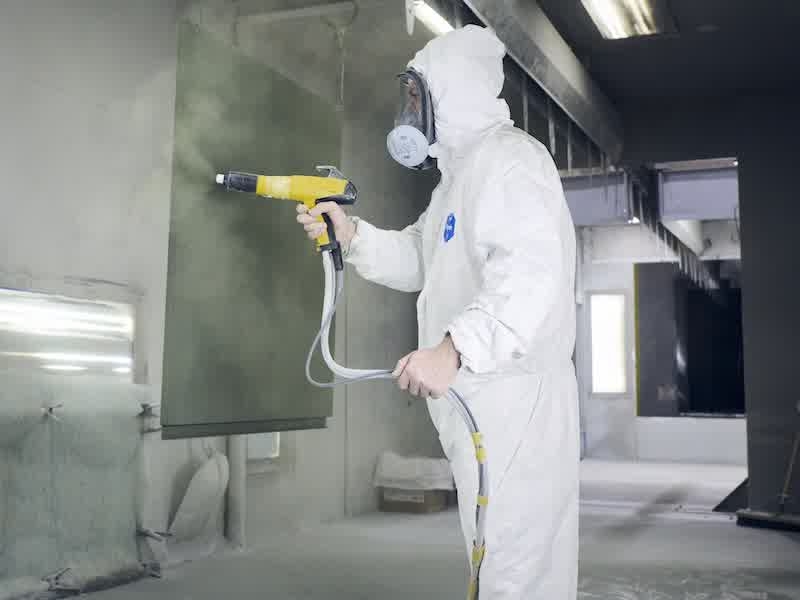 Site- and process-specific credentials include AS9100D and ISO 9001:2015 certification, Nadcap accreditation and ITAR registration.Salas takes an unusually candid approach to his own role. He does not portray himself as a coatings expert. In fact, he jokes that when UltiCoat’s finishing specialists gather to discuss processes, “I’m not the smartest guy in the room.”
That is intentional.
“I am brand new to the coatings and finishing industry, and I most certainly am not going to pretend to know something I don’t,” Salas says. “My job is not to be the expert in painting and coatings. My job is to ensure the company is doing what we need to do to deliver for the customers.”
UltiCoat already has technical experts at its individual operations, he says. Salas sees his responsibility as ensuring the organization around those specialists enables them to succeed.
His career provided experience in business management and growth while also showing him how sales, business development, and operations must work together inside manufacturing organizations.
That knowledge becomes particularly relevant when a finisher is several tiers down an OEM’s supply chain. Being closer to the end of the supply chain can expose finishers to sudden changes in production requirements.
“If they can go to a single company that they know they can count on for their deliverables and what they’re going to get, and it’s repeatable every time, that’s super important to them.”
“We can be at the end of the whip and face a little bit of that oscillation in demand,” Salas says.
One of his goals is therefore to develop deeper customer relationships and improve visibility into manufacturers’ longer-term requirements.
“What we’re going to try and do is ensure that we are visible and that we allow companies to plan further ahead, which will allow us to serve them better,” he says.
What OEM Customers Want From Suppliers
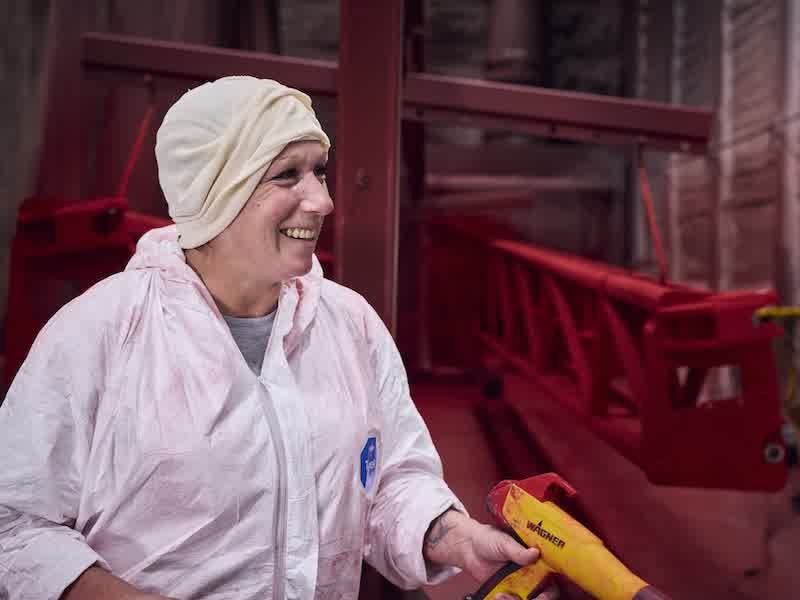 Salas’ manufacturing background has also shaped his view of how UltiCoat can differentiate itself.
Large manufacturers increasingly value suppliers that can reliably meet requirements across their supply chain. UltiCoat is betting that combining capabilities and locations under a common organization can make that relationship easier.
“A larger manufacturer [being able] to access us regionally, wherever they are in the country, because if they can go to a single company that they know they can count on for their deliverables and what they’re going to get, and it’s repeatable every time, that’s super important to them,” Salas says.
It is a simple objective, but achieving it across different finishing operations presents challenges.
A large industrial powder coating operation processing fabricated components operates differently from an aerospace finishing facility managing precision components under stringent specifications.
UltiCoat’s task is not necessarily to make every facility identical. It is to give customers a consistent experience while preserving the technical expertise that made each business successful.
An UltiCoat customer needing powder coating in Wisconsin and anodizing in Arizona can now work through one organization rather than managing entirely separate finishing suppliers and qualification relationships.
The geographic footprint also adds capacity and shortens freight lanes for customers across the country.
Combining Cultures Without Losing Their Strengths
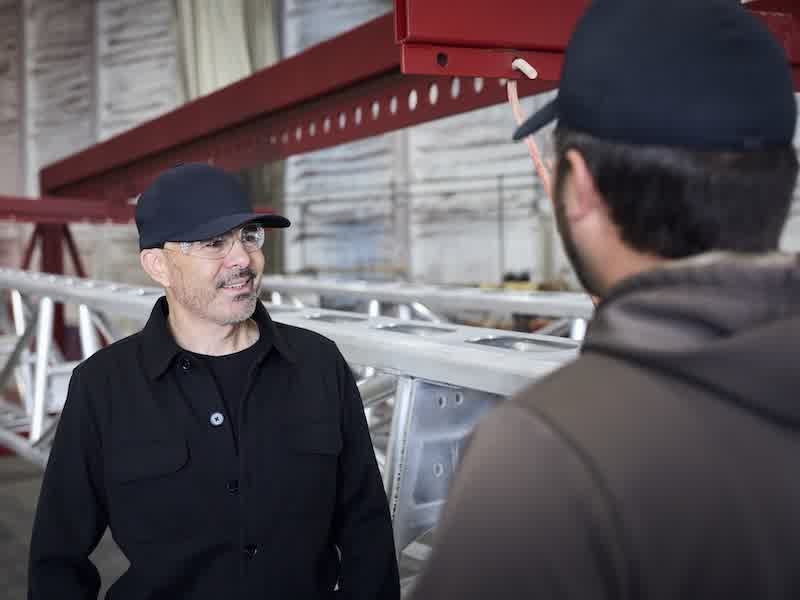 JQ Salas talks with his staff; He has spent much of his career in large manufacturing organizations, particularly in defense and industries including powersports, off-road vehicles, mining, and agricultural equipment.Consolidating businesses under a common name presents another issue familiar to anyone involved with manufacturing acquisitions: branding a company is considerably easier than creating a unified culture.
Salas says UltiCoat spent considerable time with employees and customers looking at what Scott’s Industrial Coatings and Perfection Industrial Finishing already represented.
The similarities stood out. Salas found commitment to customers, continuous improvement, and a drive for excellence in both organizations.
“There was a lot of overlap,” Salas says. “The things that really existed fundamentally in both companies already allowed us to build a brand that really represents both divisions now.”
That should be important if UltiCoat continues expanding. Salas does not consider three plants in two states the end of the company's development. He sees the existing locations as the beginnings of a broader finishing platform.
“We can call ourselves national at this point, but I think we would prefer to call ourselves national with a slightly larger footprint,” he says.
The longer-term objective is to find businesses that fit the organization and can broaden its geographic footprint or finishing capabilities. The challenge will be integrating future additions without erasing the attributes that made them appealing acquisition targets in the first place.
Workforce Remains an Industry Challenge
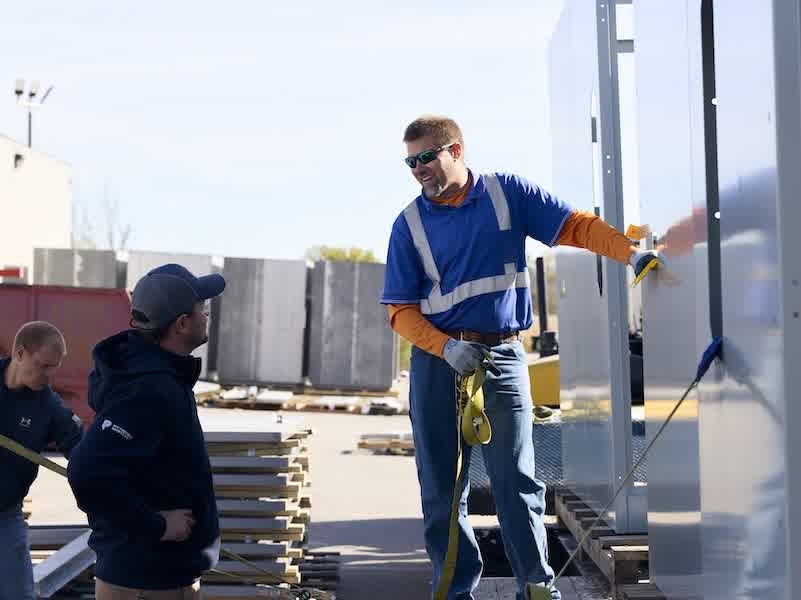 Expansion also depends upon people. Salas says recruiting, training, employee benefits, and retention remain significant manufacturing challenges regardless of geography.
“I think that’s a challenge anywhere in the country for any company,” he says.
For UltiCoat, maintaining its workforce and culture is especially important because much of the company's value lies in the skills and process knowledge of the people running its facilities.
Salas says retention and workforce training are among his top priorities. The issue becomes increasingly important as the company's footprint expands. An organization contemplating additional locations needs systems that can integrate new employees without losing the standards established elsewhere.
“How do we position ourselves to ensure that we’re prepared to fold in another company, onboard them quickly and get them ingrained with the same culture?” Salas says.
For him, that culture comes back to two principles: excellence and dedication to the customer.
“We are one company,” Salas says. “We’re forming that culture between the different divisions under one brand.”
Looking for Growth in Wisconsin and Arizona
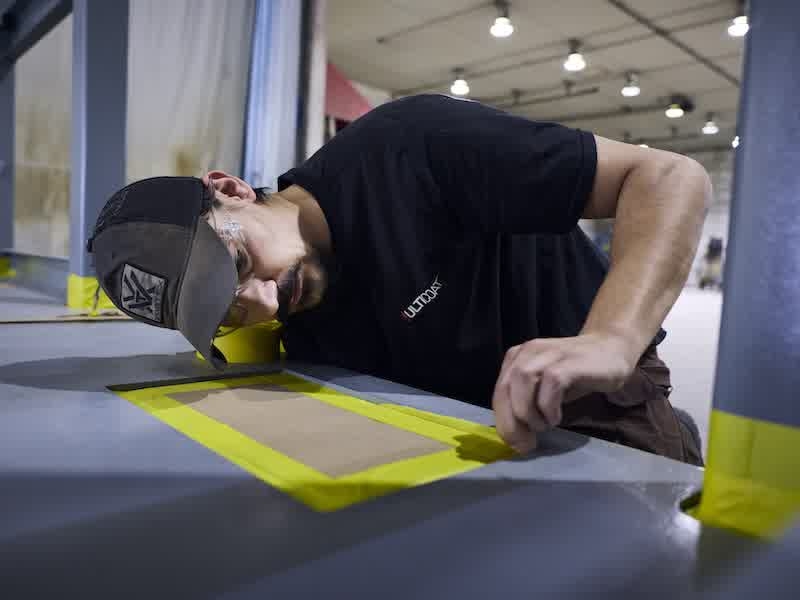 UltiCoat is also evaluating ways to grow within its existing facilities and markets. Salas says the immediate priority is to understand the existing customer base better and build visibility beyond the next 30, 60, or 90 days before making major changes.
Longer term, however, expansion is on the table. The company is already evaluating options to add capacity or capabilities in Phoenix or Tucson, according to Salas.
That measured approach reflects his manufacturing background. Expansion needs to follow demand rather than precede a clear understanding of what customers require.
Salas remains optimistic about manufacturing despite the challenges affecting the sector. In northeastern Wisconsin, the company benefits from a strong commercial manufacturing base. Arizona gives it access to aerospace and defense manufacturing.
“Overall, manufacturing is strong,” Salas says. “Whether you’re talking here in the Fox River Valley with commercial stuff here in Wisconsin or aerospace and defense in Arizona, I think we’re well positioned to ensure that we can serve those manufacturers in both of those segments.”
One Company With a Bigger Ambition
 UltiCoat ultimately represents more than a change of signs at three finishing facilities. It aims to combine two well-established finishing businesses with very different strengths under a single organization that can serve customers across manufacturing sectors and geographic regions.
Green Bay brings large-scale industrial finishing capacity. Phoenix and Tucson bring strong aerospace and defense connections and demanding quality credentials. Together, the operations offer powder coating, liquid finishing, anodizing, conversion coatings, and other surface preparation and finishing technologies.
Salas brings another piece of the equation: the perspective of someone who spent years working inside the types of manufacturing companies UltiCoat now wants to serve.
He understands that customers ultimately judge suppliers not by the corporate structure behind them, but by whether they deliver the correct product, at the required quality, when the customer needs it.
That principle will guide UltiCoat as it builds the new organization.
“It’s going to be that commitment to the customer and the commitment to excellence,” Salas says. “That’s what’s going to set us apart. We’re going to be able to deliver. It’s what customers are going to come to count on, and that’s really what’s going to continue to carry us forward.”
Visit https://ulticoat.com.