


For real estate owners, the next storm may hit the balance sheet before it hits the building.
 Steve Carey and Lisa BerdenAs extreme weather drives up losses and premiums, preparing properties ahead of the next impact can reduce disruption and strengthen an owner’s position with insurers. Pairing physical modifications with an insurance plan that addresses climate risk can help protect assets, control costs, and keep projects financially viable in a tougher market.
The need for climate resilience remains steady even as the policy landscape shifts. Environmental reporting is expanding globally, while U.S. federal requirements remain uncertain. State and local building rules also vary, often balancing stronger resilience standards against the need to keep housing and development affordable.
The more immediate question is practical: Which upgrades can reduce risk, and can they lead to better insurance options?
When Extreme Weather Becomes a Business Risk
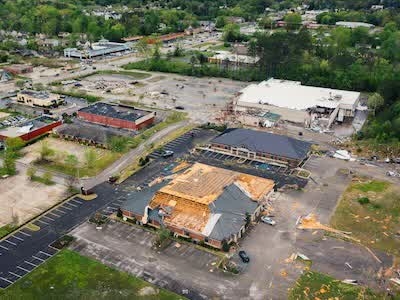 A U.S. Joint Economic Committee report explains the problem plainly: disasters that insurers once viewed as rare now happen much more often. As losses rise, premiums climb, coverage shrinks, and some insurers leave high-risk markets. To improve the odds of better insurance terms, start by understanding the risk.
According to the National Oceanic and Atmospheric Administration (NOAA), 2024 was the warmest year on record for the contiguous United States, at 3.5°F above the 20th-century average. A BDO analysis found that the U.S. recorded 21% more billion-dollar climate disasters in 2023 than in 2020 and 35% more than a decade earlier. Warmer conditions can intensify drought, heavy rain, hurricanes, coastal flooding, erosion, and other severe weather. Inland properties also face greater flood and wind damage. These events can threaten lives, damage assets, and increase insurance costs.
NOAA counted 27 separate billion-dollar U.S. weather and climate disasters in 2024, with total losses of about $183 billion. This was followed by the wildfires in Los Angeles (January 2025), which destroyed 16,000+ structures and produced an estimated $40 billion in insured losses, the largest wildfire loss on record. Climate change is making these catastrophic events more common. Lost business income and extra operating expenses increase claims costs, while labor shortages, supply costs, tariffs, and repair delays push them even higher.
Why Insurers Are Pulling Back
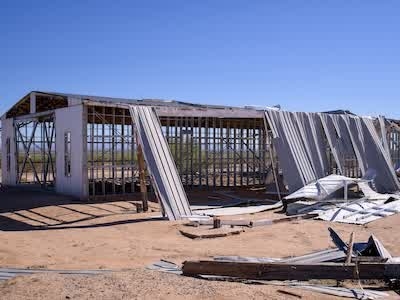 Many property owners now see higher premiums at renewal, more exclusions, and fewer insurers willing to write coverage in some markets. More frequent and costly claims continue to pressure the industry.
To best protect your property, don’t assume what your insurance covers. Standard property policies usually exclude flood coverage. Start by checking your property’s risk on the FEMA Flood Map Service Center. Businesses can also explore the National Flood Insurance Program. NFIP coverage for businesses is generally capped at $500,000 for the building and $500,000 for contents. Those limits may not cover the full value of a commercial property. Owners should review flood, wildfire, and other climate-related exposures with their insurance broker and identify any gaps.
Coverage may also move from admitted insurers to surplus-lines carriers that specialize in higher-risk properties. These policies can fill important gaps, but they may not receive the same state guaranty-fund protection if the carrier fails. Ask your broker to explain the differences.
Designing Risk Out of the Property
Insurance is only part of the answer. Owners can also reduce the chance and severity of a loss. While owners can’t change the weather, they can alter how they build, maintain, and upgrade their properties. Those choices can affect both insurance availability and cost. A lower-risk property may attract more insurers and support better terms.
For flood and storm risk, owners can consider:
- Backup power
- Rooftop generators
- Bioswales (planted channels that filter stormwater)
- Green roofs (rooftops covered with plants)
- Stormwater capture
- Permeable pavement
- Reinforced windows and impact shutters (in hurricane-prone areas)
The Eddy in East Boston, Massachusetts, and Babcock Ranch near Fort Myers, Florida, show what thoughtful resilience can accomplish:
- The Eddy opened on Boston Harbor in 2016. Developers raised the site, added rooftop backup power, installed flood barriers, used salt-tolerant landscaping, and strengthened the walls against high winds. Those features cut the property’s estimated flood-loss risk from $10 million to $1 million and sharply reduced its flood insurance premiums.
- The American Society of Civil Engineers credits the Babcock Ranch community for planning and engineering designed to withstand hurricanes. The development buried utilities, strengthened roofs and windows, elevated foundations, utilized wetlands to absorb excess water, and built a solar-powered grid. When Hurricane Ian struck, residents sheltered in place, and the community kept its power.
To mitigate wildfire risk, commercial property owners can:
- Use fire-resistant roofing and building materials
- Install tempered-glass windows
- Clear vegetation away from structures
- Cover vents and openings with fire-resistant mesh to help keep embers out.
Paying for Resilience
Updated building codes to address more frequent severe weather may require resilience features in new construction. However, mandates and related surcharges can face political and legal resistance, especially when construction costs are already high.
Financial incentives offer another way to encourage upgrades:
- In Detroit, Michigan, stormwater surcharges give owners a reason to replace asphalt with permeable pavement, potentially lowering long-term costs. The city offers credits for steps such as rain gardens and permeable pavement, which can reduce runoff and long-term costs.
- Utility rebates can offset some upgrades.
- Commercial Property Assessed Clean Energy (C-PACE) financing may fund qualifying energy, water, and resilience projects through a voluntary property assessment.
- Some clean-energy projects may also qualify for federal tax credits, although eligibility rules may change. Owners should confirm current requirements with legal and tax advisers.
- Public-private partnerships may provide another path for stormwater projects that benefit both a property and the surrounding community.
The Competitive Advantage of Preparing Now
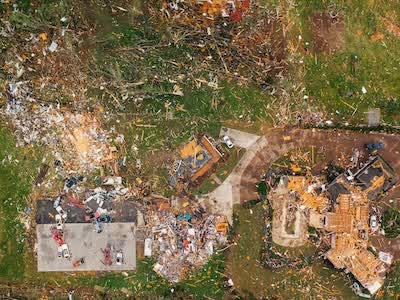 The best time to address climate risk is before a loss—or a difficult renewal. Owners planning a new development or renovation should bring legal, financial, engineering, and insurance advisers to the table early. Together, they can identify practical upgrades, funding options, and the documentation insurers need to recognize lower risk.
Resilience is no longer a specialty upgrade. It’s part of protecting property value, managing risk, and keeping coverage available at a workable price. As insurers become more selective, the properties built to withstand the next storm will be better positioned to weather the market, too.
Steve Carey is a Vice President and Regional Growth Manager with Oswald Companies, an employee-owned, full-service insurance brokerage firm with Midwestern roots dating back over 130 years. He serves on the Commercial Board of Realtors and the Fostering Leadership Academy board, and is active in development and real estate projects across the country. Visit https://www.oswaldcompanies.com.
Lisa Berden is founder and CEO of Linchpin Legal PLLC, a Michigan-based boutique law firm specializing in commercial real estate development and finance, economic development incentives, and small business and nonprofit formation and advising. Visit https://www.linchpinlaw.